Nrcs Continuing Education Nutrient Management 2018 Webinar
These webcasts have been approved for 1 continuing education unit (each) as part of the American Registry of Professional Animal Scientists (ARPAS) program. To receive CEUs, view a live or archived webcast, complete an evaluation (if available), and contact ARPAS, 217-356-5390 to have the credit applied to your CEU balance. Repeat this process for each webcast being utilized for CEUs.
2022 Webinars
-
- Changes in manure management between CEAP I & II September 23
- Swimming with superbugs: Exploring how antimicrobial resistance moves in our environment August 19
- Manure nutrient trends and creating dynamic "book values" through ManureDB June 17
- Use of Vermifiltration as a Tool for Manure Management May 20
- Manure Management in an Urban Setting March 18
- Going the distance: considerations for the use of manure pipelines February 18
- Cleanout for Lagoons and Anaerobic Digesters January 21
- June 17
More Webinars…
2021 Webinars
- Topics include: Edge of Field Monitoring, PFAS, Food Safety, Digesters & Natural Gas, Manuresheds, Extreme Events, Antimicrobial Resistance, Sustainability, Weeds, and Soil Health. More…
2020 Webinars
- Topics include: Less typical species, designer manure, precision technologies, human health, poultry systems, communicating science, compost emissions, PFAS, and manure transfers. More…
2019 Webinars
- Topics include: Separation technologies, soil health, cleaning barn exhaust air, pathogens, antimicrobial resistance, greenhouse gas emissions, nutrient inventories, and phosphorus management. More…
2018 Webinars
- Topics include: Emergency response, treatment technologies, manure foaming, small farm equipment, manure's impact on soil, manure irrigation, manure pit death, sampling, and biosecurity. More…
2017 Webinars
- Topics include: Climate resiliency, avian influenza, side-dressing nitrogen on emerged corn, runoff risk advisory tools, anaerobic digestion, manure handling safety, long-term manure application, and managing edge of field losses.. More…
2016 Webinars
- Topics include: Construction and maintenance of manure ponds, antibiotic resistance, manure entomology, NAQSAT, Drones, manure safety and transport, the nutrient recycling challenge, Vermont nutrient management training course, and pathogens. More…
2015 Webinars
- Topics include: Manure Apps, Gypsum Bedding, Livestock Housing, Tile Drained Lands, Micro Manure Management, Horse Manure Composting, Uses of Biochar, Thermal Manure-to-Energy Systems, Mortality Management during Avian Influenza, Communication Pathways, Communicating During Controversy. More…
2014 Webinars
- Topics include: Capturing Nutrients, Manure as a biofuel, Water Quality Index, Liquid manure nutrients, Carbon credits, Bioaerosols, WOTUS, Biosecurity, Mortality composting, Whole Farm Nutrient management, Winter manure application, Next generation activities. More…
2013 Webinars
- Topics include: Risk Management, Waste to Worth, Mono-slope beef barns and research results, Bioavailability of Phosphorus, Capturing Nutrients. More…
2012 Webinars
- Topics include: Biofilters, The 4Rs, Microbes, Life-Cycle Assessments, Carbon Footprints, Nitrates, Adaptive Nutrient Managment, Chesapeake Bay, Emergency Management. More…
2011 Webinars
- Topics include: Top-dressing manure, Chesapeake Bay, Soil Health, Reducing Odor Risk, Anaerobic Digestion, NMP implementation, NAEMS, Lagoon Closure, Manure Economics, 2011 NPDES CAFO rule. More…
2010 Webinars
- Topics include: Cover Crops, Vegetative Environmental Buffers, Mortality Composting, Manure Spills, NAQSAT, Manure on No-Till, SPCC, Ammonia Emissions. More…
2009 Webinars
- Topics include: Feeding Strategies, Carbon Footpring, Conserving Nitrogen, AFO Inspection, Mortalities, Air Emissions, Grazing Management. More…
2008 Webinars
- Topics include: Market Based Conservation, Antibiotics and Hormones, Dry Manure Housing Systems, Ammonia, Small Farms, Regulations, Manure Management Planner Software. More…
2007 Webinars
- Topics include: Integrated Nutrient Management, Manure Application to Legumes, Value of Manure in Land Application, Smithfield Project, Value Added Processing of Manure, Manure Treatment Technologies, Value of Manure in Energy Generation, Vegetative Treatment Systems, and Innovative Manure Treatment Technologies. More…
2006 Webinars
- Topics include: CNMP Core Curriculum, Pathogens, EPA CAFO Regulations. More…
Having Trouble?
If you experience difficulty in viewing webinars, please visit our webinar troubleshooting page:
- Webinar Troubleshooting
The next live webinar will be held on October 21, 2022 at 1:30 pm central and is titled "Worker Safety in Animal Production Systems". More information…
Register/Connect Now
The meeting room is opened approximately 15 minutes before the scheduled start time. Note: the URL for the virtual meeting room changes with each webinar. Please use the "Register/Connect Now" link above.
Changes in manure management between CEAP I & II (PDF format)
-
- Conservation Effects Assessment Project (CEAP) Lee Norfleet, USDA-NRCS (retired)
- Changes in Manure Application and Subsequent Environmental Impacts Evelyn Steglich, USDA-NRCS
- Manure Management by Biochar Practice: Nutrient, Water Quality, and Greenhouse Gas Eunsung Kan, Texas A&M University
- Conservation Effects Assessment Project (CEAP) Lee Norfleet, USDA-NRCS (retired)
September Announcement
Having Trouble?
Webinar Troubleshooting
Continuing Education Units
Certified Crop Advisers (CCA)
-
- CCAs attending a live webinar should register as such upon sign in to the webinar. This information will be submitted to the CCA program.
- CCAs viewing any of our past (archived) webinars can receive credit through the self-study option by following links on the CCA Continuing Education page.
American Registry of Professional Animal Scientists (ARPAS)
-
- ARPAS members viewing live webinars should register as such upon sign in to the webinar. The member is still responsible for reporting their attendance to the association.
- ARPAS members viewing any of our past webinars can also self-certify those credits at the ARPAS Continuing Education page.
Other Programs
-
- Members of other programs attending live webinars, should log into the virtual meeting room with their first and last name. During registration for the webinar, request an attendance list and flyer from the webinar manager, Leslie Johnson at leslie.johnson@unl.edu. The member can submit that information to their certifying organization for consideration.
- Members of other programs viewing archived webinars can request a quiz from the project manager which, after completion, can be submitted along with the flyer to the certifying organization for consideration.
Archived Webinar
The webinar will be archived and available for on-demand viewing early the week following the presentation. Go to webinar archive…
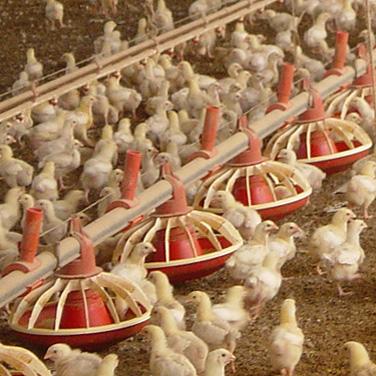 The Livestock and Poultry Environmental Learning Community offers a free monthly webinar on a variety of issues related to animal manure management.
Next Live Webinar
The next live webinar will be held on October 21, 2022 at 1:30 pm central and is titled "Worker Safety in Animal Production Systems". More information…
Webinar Schedule
The upcoming webinars will continue to include air and water quality topics. As webcast topics and speakers are finalized, they are posted at Upcoming Webcasts and announced in the newsletter.
Attending a Live Webinar
The webinars are presented live on the third Friday of each month (some exceptions apply) at 2:30 pm (eastern), 1:30 pm (central), 12:30 pm (mountain) and 11:30 am (pacific). All webinars are recorded and archived for on-demand viewing.
-
- First-time viewers should follow the steps on the How Do I Participate in a Webinar? page to be sure you have the appropriate software and web connection.
- On the day of the webcast connect through the Live Webinar Information page.
Due to system changes in the summer of 2016, the URL for the webinar will change each time, so please plan to connect through the Live Webinar Information page.
Viewing an Archived Webinar
Each archive includes the video segments, presentation slides, written summaries of the question and answer session (when available), links to additional information, and access to individual segments within each webinar.
You have two options for finding and archived presentation:
-
- Browse by Topic
- Browse Chronological List
Continuing Education Units
The webcast series has been approved for Continuing Education Units (CEUs) through the Certified Crop Advisers (CCA) and to members of the American Registry of Professional Animal Scientists (ARPAS).
-
- Certified Crop Adviser CEUs
- American Registry of Professional Animal Scientists CEUs
How Do I Participate in a Webinar?
Past webinars are available at Webinar Archive
When Are Webinars Held?
The one-hour webinar seminars are typically held on the third Friday of each month at 2:30 pm (eastern), 1:30 pm (central), 12:30 pm (mountain) and 11:30 am (pacific). This schedule is subject to change. To view a webinar, connect through the Live Webinar Information page.
Webinar Schedule
| Date | Topic | Add to Calendar | Marketing Materials |
|---|---|---|---|
| October 21, 2022 | Worker Safety in Animal Production Systems | Outlook | Google | Online Announcement | Printable Flyer |
| November 18, 2022 (tentative) | Carbon Markets: Manure on the Operation | ||
| December 16, 2022 (tentative) | Carbon Markets: Soils and Manure Application | ||
| January 20, 2023 (tentative) | Carbon Markets: Producer Perspectives |
Digesters are of interest with regards to climate change, energy, air quality, and water quality. However, digesters are capital-intensive and difficult to maintain. Profitability of a farm-based digester usually requires utilizing the energy, carbon credits, tipping fees, and marketing other co-products such as manure solids that are separated out and composted.
The Environmental Protection Agency's AgSTAR program has a website http://www.epa.gov/agstar/ with information to assist livestock producers who are considering installation of a digester. The website contains a database of farm digesters that are operating in the United States or that have operated in the past. It also provides a spreadsheet-based screening tool to help assess the potential feasibility of a project based on factors such as the feedstock, onsite conditions, the system type and size, and the planned biogas use.
What does a digester cost to install? Costs will vary widely depending on the situation, but the two sources discussed below show what some recent dairy farm digester installations have cost. The reports are the 2015 article by Manning and Hadrich, and the annual reports of the California Department of Food and Agriculture's Dairy Digester Research and Development Program (CDFA).
The CDFA funded 117 dairy farm projects between 2015 and 2021. All but one of them were covered lagoon digesters (see the fact sheet by Hamilton for a discussion of digester types). Those funded in 2015 generated electricity, but most of those funded in 2017 and later have renewable natural gas (RNG) as the end-use of the biogas. The AgSTAR database lists the herd sizes for 19 of these digester projects that are producing RNG. For those projects, the average herd size was 7,479 cows and the average project cost was $947/cow or $4,384,479 total before deducting the CDFA grant. For the entire group of 117 projects, the CDFA grant funds covered 33 percent of the total cost.
The total cost of the greenhouse gas reductions achieved by these 117 projects was $30.94 per 1 metric ton of carbon dioxide equivalent including both the CDFA grants and the matching funds, or $9.88/1 metric ton considering only the CDFA grant funding. Those greenhouse gas reductions are calculated using methodology developed by the California Air Resources Board.
Manning and Hadrich report on 12 California dairy operations that had installed digesters and were using the biogas to generate electricity. They found that in 2014 the average initial cost of a lagoon system was $1.1 million ($869/cow with an average herd size of 2,496 cows) while a plug-flow system was $ 1.5 million ($1,114/cow and 1,620 cows). Subsidies covered around half of the initial investment on average.
The 12 Manning-Hadrich digesters included seven covered lagoon digesters and five plug-flow digesters. Seven of the digesters were providing benefits to the operations that exceeded their costs after subsidies. The other five were not operating profitably, including three of the plug-flows and two of the lagoon systems. Three of the unprofitable plug-flow digesters had ceased operation at the time of the study while the others were all operating. The seven profitable digesters had average annual operating costs of $0.98/cow while the five unprofitable ones averaged $2.72/cow.
Author: William F. Lazarus, University of Minnesota
Related:
Dairy Digester Research and Development Program (2022). Report of Funded Projects (2015-2022) 2022: Report to the Joint Legislative Budget Committee, California Department of Food and Agriculture, from https://www.cdfa.ca.gov/oefi/ddrdp/docs/2022_DDRDP_Legislative_Report.pdf.
Hamilton, D. (2019). "Types of Anaerobic Digesters." Retrieved 8/4/22, 2022 from https://lpelc.org/types-of-anaerobic-digesters/.
Manning, D. T. and J. C. Hadrich (2015). "An evaluation of the social and private efficiency of adoption: Anaerobic digesters and greenhouse gas mitigation." Journal of Environmental Management 154: 70-77.
U.S. AgSTAR. "AgSTAR: Biogas Recovery in the Agriculture Sector." Retrieved 8/3/22, from http://www.epa.gov/agstar/.
-
-
 Find these topics and many other related Farm Energy media resources at the Farm Energy Media archive.
-
In the digital world in which we live today the public is presented with an overwhelming quantity of information, much of which is unscientific. In this webinar we will apply the lessons learned from antimicrobial resistance and health communications to more science communication challenges. This presentation was originally broadcast on August 14, 2020. More… Continue reading "Communicating Science Using the Science of Communication"
As poultry genetics, management practices and industries evolve, so do manure and litter characteristics. This presentation was originally broadcast on June 19, 2020. More… Continue reading "Litter Nutrients and Management in Poultry Systems"
This webinar provides practical guidance on reducing pathogen and inhalation exposures in livestock operations and identifies ways to protect human health and those we love. This presentation was originally broadcast on May 15, 2020. More… Continue reading "Human Health: Pathogens and Contaminants in Livestock Systems"
This webinar explores in-field measurements of nutrient concentrations and discusses how precision technologies impact agronomic and water quality management decisions as well as pave the way for automating record-keeping and removing human error from applications. This presentation was originally broadcast on April 17, 2020. More… Continue reading "Precision Technologies for Managing Manure"
Source: https://lpelc.org/author/animal-manure-management/
0 Response to "Nrcs Continuing Education Nutrient Management 2018 Webinar"
Post a Comment